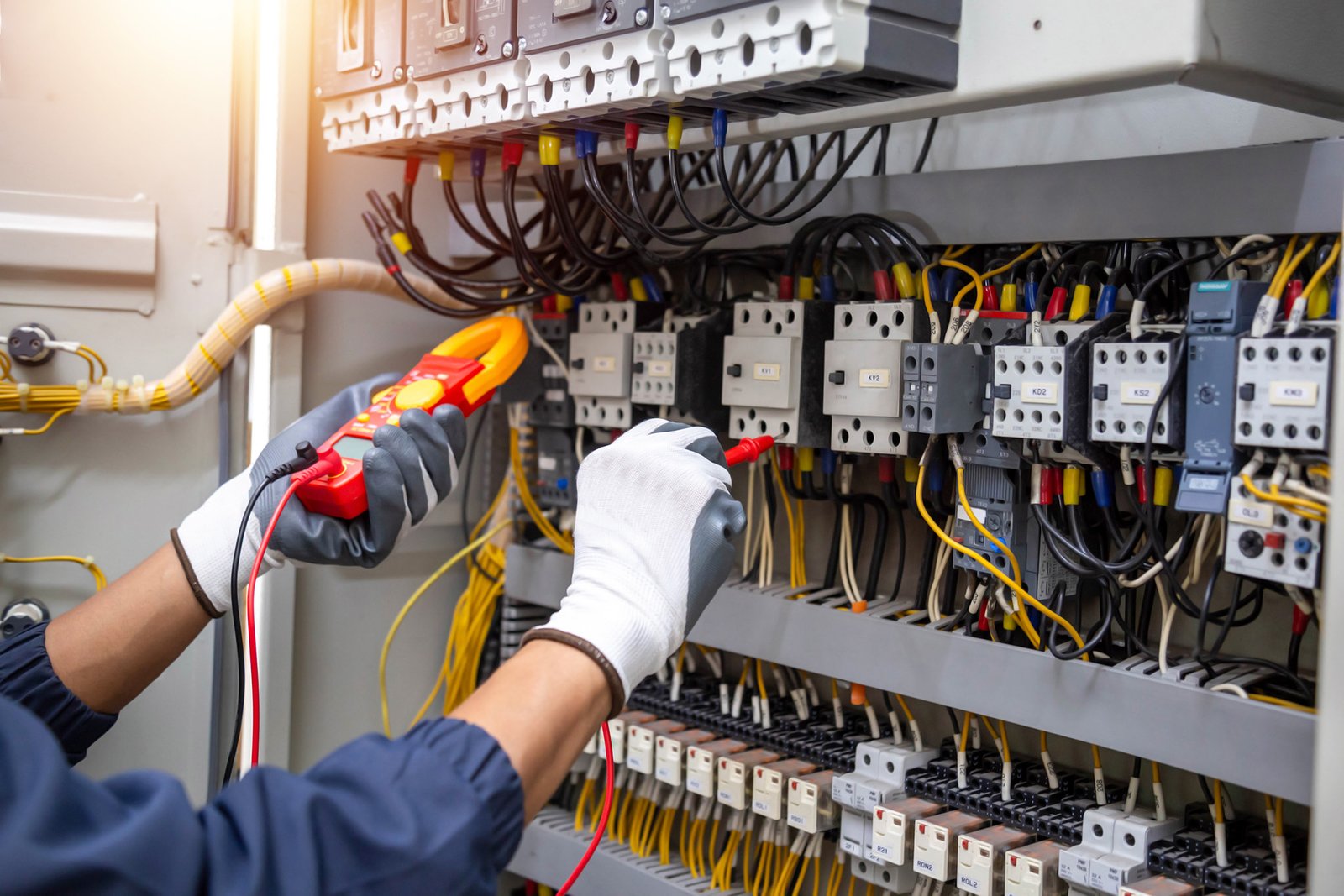
Heating, ventilation, and air-conditioning (HVAC) systems play a fundamental role in the comfort, energy efficiency, and overall performance of a building. Whether it’s a commercial office, hotel, school, industrial facility, or residential block, modern buildings require properly designed, installed, and maintained HVAC systems to ensure a healthy and productive environment.
One of the key functions of an HVAC system is maintaining indoor comfort. Temperature control directly affects how occupants feel and work within a building. Poor heating or cooling can make a space uncomfortable, disrupt productivity, or impact customer experience. A well-designed HVAC system provides stable, consistent temperature control throughout all areas of a building, even during peak usage.
Ventilation is equally important. Good ventilation ensures regular air changes, reduces CO₂ buildup, improves oxygen levels, and removes pollutants. With growing awareness around indoor-air-quality, ventilation systems are now required to meet higher standards. Mechanical ventilation with heat recovery (MVHR), air-handling units, and fresh-air systems help remove stale air and introduce clean, filtered air into occupied spaces. This is especially important in high-occupancy environments like hotels, schools, and hospitality venues.
Efficiency is another major factor. HVAC systems typically account for a large portion of a building’s energy consumption. Outdated or poorly maintained equipment can use significantly more energy than necessary, leading to higher utility bills and increased carbon emissions. Modern high-efficiency systems use advanced controls, inverter-driven compressors, variable-speed fans, and smart sensors to optimise performance. Regular maintenance, such as cleaning coils, changing filters, and checking refrigerant levels, reduces strain on equipment and maximises efficiency.
Proper zoning is also crucial. Not all parts of a building have the same heating or cooling needs. Meeting rooms, kitchens, guest rooms, and server areas may all require different temperatures. Zoned HVAC systems allow precise control in each area, improving comfort and reducing energy waste.
Another key advantage of modern HVAC systems is the integration of smart controls. Building Management Systems (BMS) can monitor temperature, humidity, air-quality, airflow, and energy usage across multiple zones. These systems adapt automatically to changing conditions, ensuring the building operates at its most efficient level. BMS integration also provides invaluable data for facilities managers, helping them identify faults early and make informed decisions about equipment upgrades.
Maintenance plays a vital role in HVAC performance. Filters clogged with dust reduce airflow and force fans to work harder. Dirty coils decrease heat transfer, causing compressors to run longer. Blocked drains can lead to water leaks and humidity issues. Regular servicing prevents these problems and ensures each component is operating properly.
In modern buildings, HVAC and ventilation systems contribute directly to health, safety, and sustainability goals. They regulate temperature, manage humidity, improve indoor-air-quality, and reduce energy consumption. Whether upgrading old equipment or installing new systems, choosing a professional HVAC specialist ensures your building remains comfortable, efficient, and compliant with the latest standards.