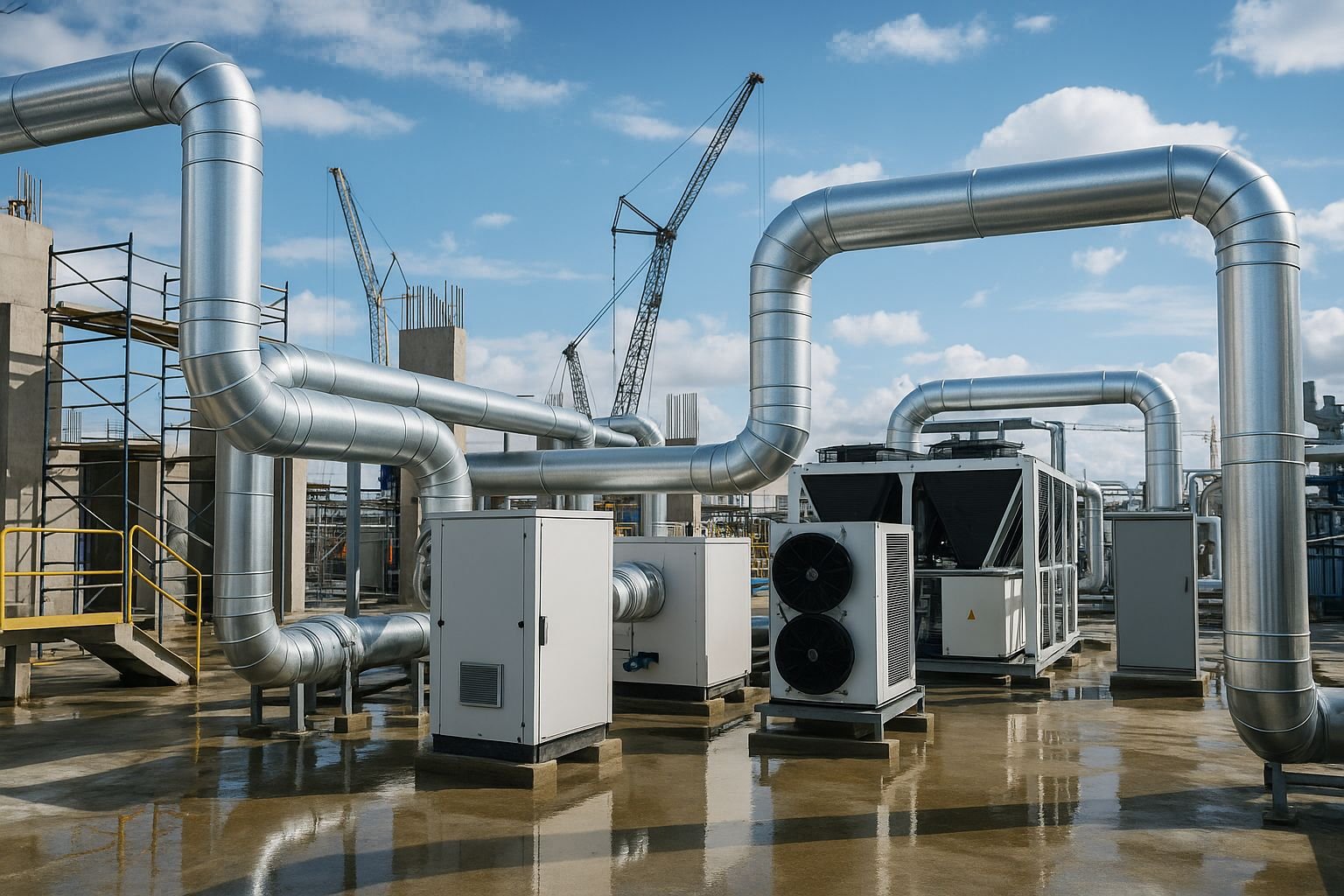
Modern buildings depend on well-functioning mechanical, electrical, and plumbing systems to operate smoothly. Heating and cooling equipment, ventilation, power distribution, control panels, pumps, drainage networks, and hot-water systems are all essential assets that need continuous care. Yet many organisations still wait until something goes wrong before taking action. Planned Preventative Maintenance (PPM) is the most effective way to reduce operational risk, improve efficiency, and extend the lifespan of critical MEP infrastructure.
PPM is a structured, proactive approach to maintaining building systems. Rather than reacting to faults after they occur, engineers schedule routine inspections, servicing, testing, cleaning, and adjustments at set intervals throughout the year. This approach prevents small issues from escalating into costly breakdowns, protects business continuity, and ensures compliance with safety and environmental regulations.
One of the biggest advantages of PPM is cost control. Unexpected failures rarely occur at convenient times, and reactive call-outs often involve emergency labour, parts sourced urgently, and additional downtime while systems are repaired or replaced. With planned maintenance, costs are predictable and far lower. Components are changed before they fail, equipment is tuned for energy efficiency, and assets remain in optimal condition.
PPM also plays an important role in extending equipment lifespan. Mechanical assets such as boilers, pumps, chillers, air-handling units, and pressurisation equipment can last significantly longer when maintained regularly. Lubrication, filter replacements, belt adjustments, flue inspections, water-quality checks, and vibration monitoring are all essential steps that prevent wear and tear. In electrical systems, regular inspections reduce the risk of overheating, loose connections, tripped circuits, and fire hazards. Plumbing systems also benefit greatly from routine checks for leaks, corrosion, blockages, and pressure issues.
Another key benefit is compliance. UK regulations require businesses to maintain safe and efficient building systems. Gas appliances must be serviced by qualified engineers. Electrical infrastructure must undergo periodic inspection and testing. Ventilation systems must meet indoor-air-quality requirements, and water systems need to be managed carefully to prevent Legionella. Planned maintenance ensures your building remains compliant with all legal and industry standards, reducing liability for building owners, landlords, and facilities managers.
PPM also supports better energy performance. HVAC systems in particular consume a large proportion of a building’s energy. Dirty filters, blocked coils, worn belts, or incorrect airflow settings can all cause systems to work harder than necessary. Regular servicing ensures components are clean, calibrated, and running efficiently. This reduces energy bills, improves comfort for building occupants, and supports environmental goals.
A well-designed PPM strategy begins with a thorough asset survey. Engineers inspect all equipment, review existing maintenance records, and evaluate current condition. From this, a customised maintenance schedule is created, outlining tasks to be completed monthly, quarterly, bi-annually, and annually. Each visit includes detailed reporting so building managers have full visibility of asset performance, upcoming works, and potential risks.
Ultimately, Planned Preventative Maintenance is an investment in the reliability and safety of your building. It reduces emergency call-outs, cuts running costs, supports compliance, and ensures critical systems operate as they should. For organisations that rely on uninterrupted operation—hotels, hospitals, offices, schools, warehouses, and public buildings—PPM is not optional; it is essential.