Across the UK, many commercial and residential buildings are operating with ageing mechanical, electrical, and plumbing systems that were never designed to meet modern demands. As buildings grow older, the need for MEP refurbishment and retrofit works increases significantly. These projects improve safety, performance, efficiency, and compliance, while also preparing properties for future growth.
One of the driving factors behind MEP refurbishment is efficiency. Older boilers, chillers, plantrooms, pumps, distribution boards, and ventilation systems often consume far more energy than modern alternatives. Wear and tear, outdated technology, poor insulation, and lack of maintenance all contribute to inefficiency. Upgrading these systems can reduce energy bills dramatically and help organisations achieve sustainability targets.
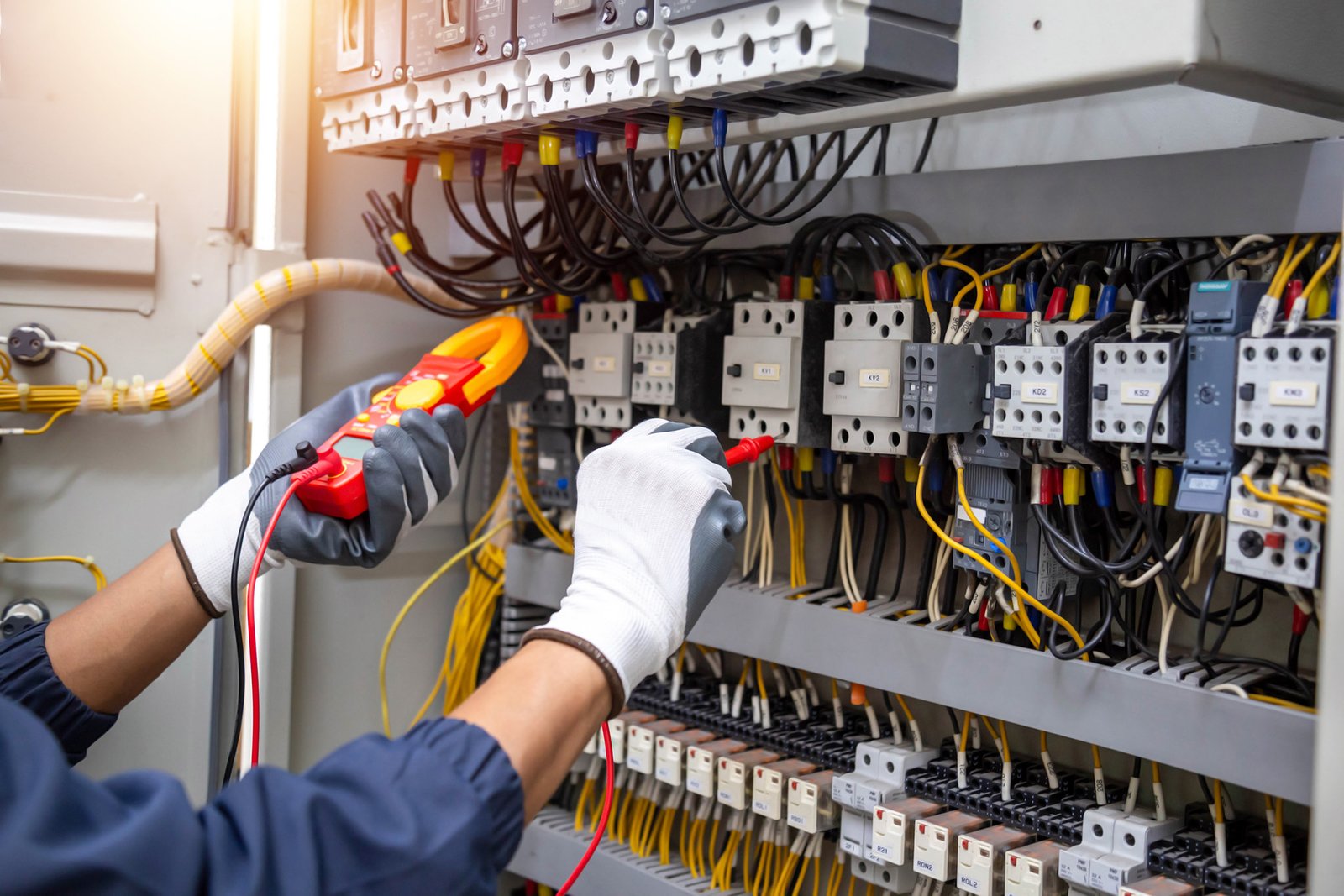
Safety is another major consideration. Ageing electrical wiring, corroded pipework, failing heating systems, and outdated controls can all pose risks. Electrical faults increase the likelihood of overheating or fire. Damaged plumbing can cause leaks, flooding, and water damage. Ventilation issues may lead to poor indoor-air-quality and damp. A refurbishment programme addresses these risks head-on by replacing unreliable components and ensuring systems meet current regulations.
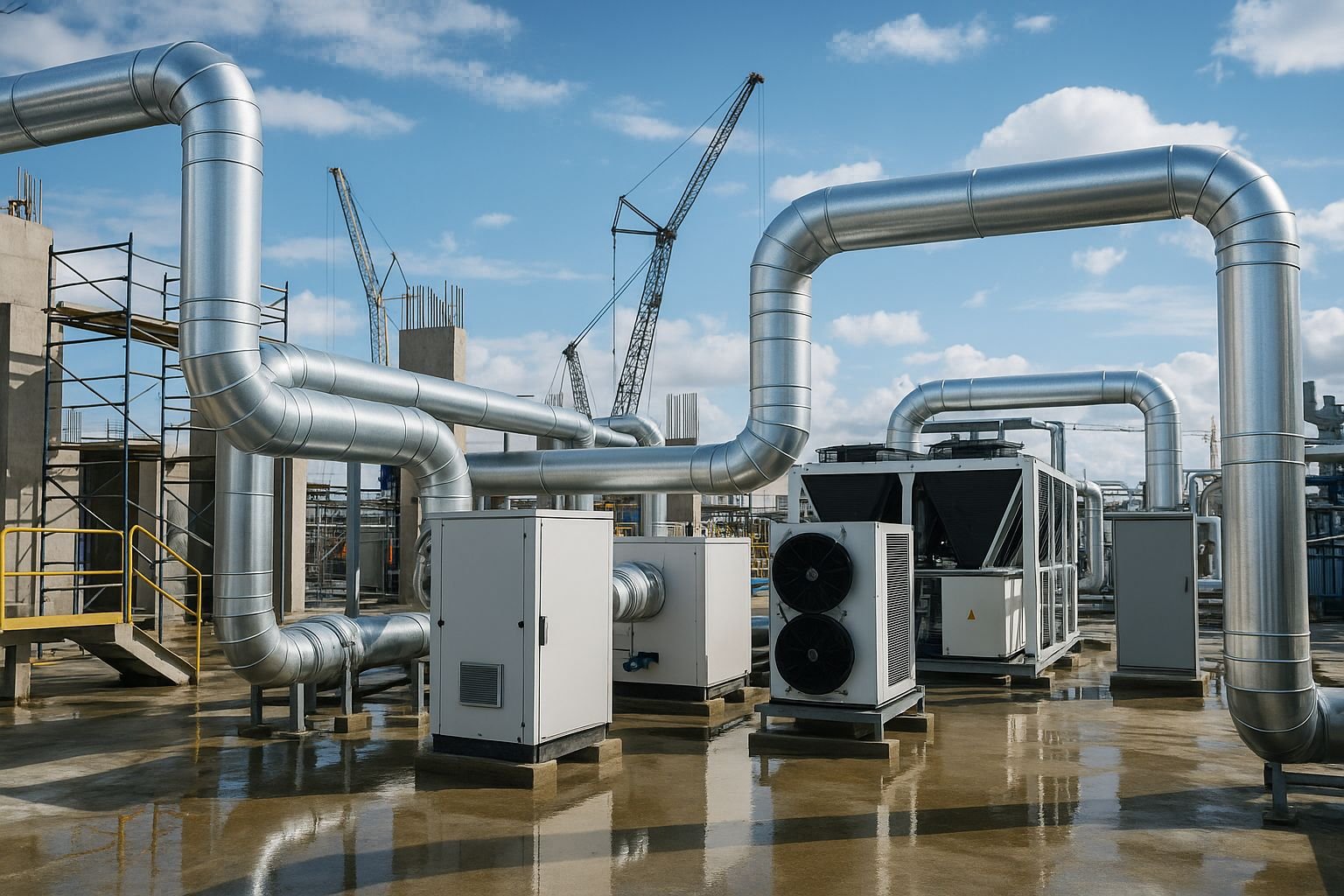
Retrofit projects also improve building performance. For example, replacing old ventilation systems with energy-efficient air-handling units can enhance airflow and comfort. Installing modern gas or electric boilers can significantly improve heating output and reliability. Upgrading distribution boards, lighting systems, or pumps allows facilities to handle higher loads more safely and effectively.
Compliance with UK regulations is crucial. Mechanical, electrical, and plumbing systems must meet specific standards, including gas safety, electrical compliance, water hygiene, fire-safety, and environmental requirements. Older buildings often fall short of these standards through no fault of their owners; they simply weren’t designed with modern regulations in mind. A retrofit project ensures full compliance and reduces liability.
MEP refurbishment also supports long-term cost savings. While the initial investment may be higher than basic repairs, the return on investment is clear. Modern systems require less maintenance, consume less energy, and experience fewer breakdowns. The improved reliability reduces operational disruption, making it easier for businesses to remain productive.
The process usually begins with a detailed site survey. Engineers inspect each system, evaluate condition, identify risks, and propose targeted upgrades. The scope may include replacing boilers, chillers, pumps, or pipework; modernising wiring; upgrading lighting to LED; improving ventilation; installing BMS controls; or completely refitting plantrooms.
Effective refurbishment requires careful planning to minimise disruption. Many projects can be phased, allowing businesses to continue operating during the work. Temporary equipment may be installed to maintain heating, cooling, or power. Communication between the client and engineering team is key to ensuring the project runs smoothly.
In the long run, refurbishment and retrofit works transform ageing buildings into efficient, reliable, and compliant assets. Whether you manage a hotel, office, school, hospital, or industrial site, modernising your MEP systems provides stability, reduces risk, and supports the future of your building.